Fauci, The CIA, And The Unanswered Questions Of COVID
Authored by Cory Franklin via RealClearWire,
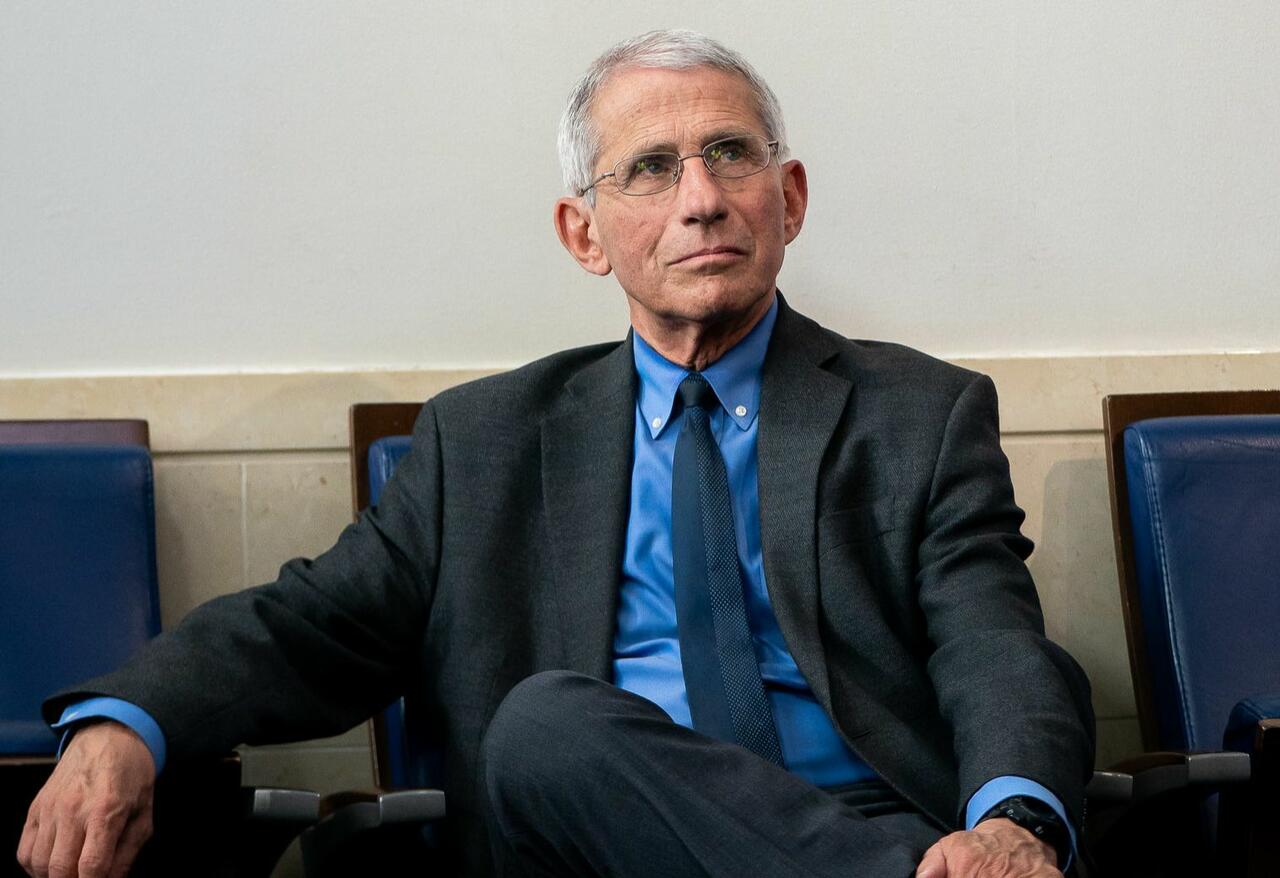
Did Anthony Fauci manipulate the intelligence community (IC) investigation of the origin of COVID as outgoing Director of National Intelligence Tulsi Gabbard claims?
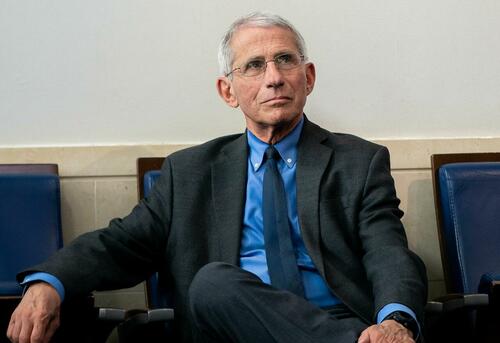
Gabbard recently released previously unseen documents and communications during the COVID pandemic between the IC and the key member of the White House Coronavirus Task Force, Dr. Anthony Fauci. She claims they show that Fauci and the IC coordinated the investigation of the origin of the COVID to suggest it was a natural occurrence rather than a laboratory leak. She further charges that the documents reveal Fauci's direct role in influencing and manipulating IC assessments in an attempt to discourage the lab-leak hypothesis.
It is not clear that the released information shows this, and a careful reading suggests a more complicated scenario. But what the messages do show is that an undue emphasis on Fauci's actions risks missing a more important point - the hidden connection between public health officials and the IC during the pandemic.
The two theories on where COVID originated are that the virus evolved naturally from bats to man via an intermediate animal host; or that the virus leaked from a laboratory in Wuhan, China. The first was more widely accepted by scientists and most of the international press early in the pandemic, but the intermediate host has never been discovered so the theory remains speculative. The second theory, which has gained significant traction since initially being disparaged as conspiracy, is only circumstantial since no definitive proof exists. The answer as to how COVID originated remains unknown.
Where does Dr. Fauci, the government's point man in the pandemic, fit in? He acknowledges the possibility of a lab leak, but initially came down firmly on the side of natural origin - aggressively so. He and his colleagues, notably his boss NIH director Francis Collins, attempted to publicly silence proponents of the lab leak theory. The rub is that Fauci was tangentially involved in "gain of function" viral manipulation research done in Wuhan and clearly misled Congress about this involvement.
Because gain-of-function research could have been responsible for the development of the virus in the Wuhan lab, this means Fauci has a conflict of interest on the COVID source: He could bear some responsibility for the entire affair if this was indeed a lab leak. So he has reason other than scientific inquiry to support the animal host theory. He is aware of that and has written in the past about the necessity and the attendant danger of doing gain-of-function research. He now strenuously denies it had anything to do with COVID.
Enter the IC and Gabbard's document release.
There is uncertainty over whether Fauci frequented CIA offices early in the pandemic, something he was less than forthright about in his 2024 congressional testimony. It is unclear whether or how many times he was there, in part because a whistleblower claims the requirement to sign in was waived for Dr. Fauci. What is not in doubt are his contacts with the CIA after President Biden charged the IC with investigating the origin of COVID.
The CIA asked Fauci to provide recommendations for experts to consult in their investigation of the COVID origin; the extent of his influence on the agency's investigation is unclear. At the time, some officials, aware of the potential conflict of interest, questioned in the documents whether relying on recommendations from someone deeply involved in coronavirus research could create the perception of improper influence regarding their findings. Nevertheless, the IC employed the experts Fauci recommended, who were never publicly identified. Their names have been redacted in communications and the information they provided has never been released.
The lack of transparency by the public health community and the CIA caused Republicans, led by Dr. Rand Paul, to suspect Fauci selected his CIA consultants based on their opposition to the lab-leak theory. Further, Paul proposed there was a self-justifying loop of information in which the medical experts put their thumbs on the scale of the IC report supporting natural origin. Public health officials (and some politicians who saw the lab-leak theory as a potential scandal) then turned around and used the "doctored" IC report to support the conclusions they provided to the public.
Neither of these accusations is supported or refuted by the released communications.
Again, despite Gabbard's claims, there is no smoking gun in the released documents, and the IC did not reach a consensus on the origin of COVID. The larger point, however, is one the public knew little about: the incestuous connection between high-level public health officials and the IC during the pandemic. Making Fauci the bête noire does little to advance our knowledge of what actually happened or how to go forward.
This hardly exonerates Fauci: His actions bear scrutiny because of his disturbing pattern of behavior. (Criminal charges may be a bridge too far, and in any event he has a blanket presidential pardon). Besides misleading Congress about his involvement with gain-of-function research and his attempt to suppress the views of lab leak proponents, he obscured his connection with the IC investigation. When asked, he mocked it with a snide deflection as "a conspiracy that I parachuted in like Jason Bourne." In addition, and almost forgotten today, he confessed to deliberately lying to the American public in the New York Times about "herd immunity" to COVID. This was not, as some claim, the result of incomplete information; he admitted consciously dissembling.
There is still much to be learned about Fauci's IC connection. At the same time, the released documents reveal that the IC responded with its traditional "business as usual" secrecy, the pattern they have used since the JFK assassination and before. There is absolutely no national security or legal reason to withhold the names of the expert consultants referred by Fauci, those names which are still redacted today. Those consultants are not spies, their lives are not in danger, and the public deserves to know who they are and what opinions they shared with the CIA - it is, in the final analysis, a public health question.
Also, why has there been no disapproval registered by the public health community about secret engagements with the CIA? Do they approve of this secretive collusion rather than demanding transparency? After all, the larger point here isn't to spread blame for COVID. It's to better intercept the next pandemic.
This furtive cooperation, and not Fauci, is the crux of the issue generated by the released documents. The public has a right to know about clandestine meetings between public health officials and the CIA. And if true, it is not out of the realm of possibility that there was self-serving connivance between Fauci and the agency, or that a self-justifying information loop kept the American public at bay. What would the public reaction be to that? Especially if the COVID origin turned out to be a preventable occurrence.
To paraphrase Hillary Clinton's provocative question, "At this late date, what does it matter?" The origin of COVID is still uncertain. Yet what these documents reinforce is that, despite the fact COVID killed 1.2 million Americans and caused untold economic, physical, and emotional damage, there has still been no official national reckoning. Doesn't the public deserve better? It is inconceivable that there has been no national fact-finding commission on the order of the Warren Commission (where both the CIA and FBI did lie to investigators), the Challenger Commission, and the 9/11 Commission. Why have the medical community, the press, and leading politicians stopped asking questions about the most significant event of the first quarter of the 21st century, including the nexus between public health and the IC? This is a national embarrassment.
The Roman statesman Cicero explained it best when he said, "To be ignorant of what came before is to remain a child."
And when it comes to COVID, we have been treated like children.
Dr. Cory Franklin is a retired intensive care physician and the author of "The COVID Diaries 2020-2024: Anatomy of a Contagion as It Happened."
Tyler Durden
Wed, 06/24/2026 - 16:40

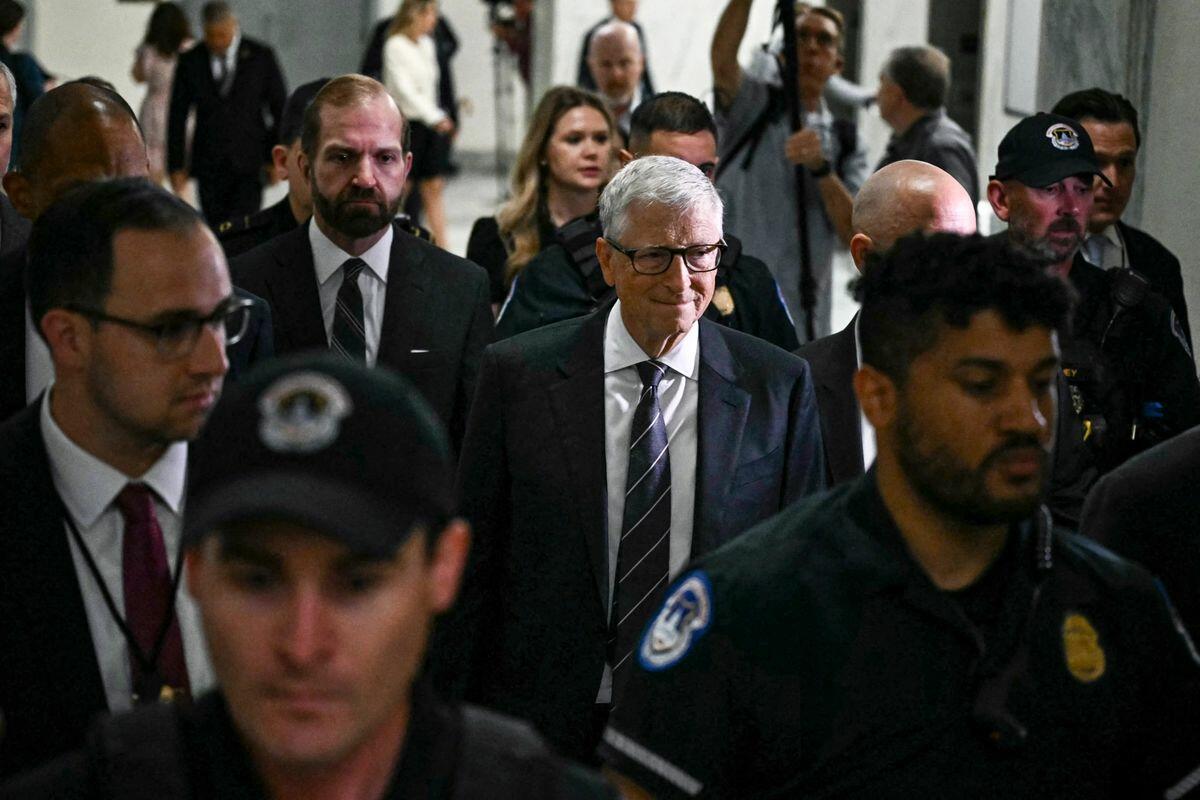 Microsoft co-founder Bill Gates (C) in Washington, on June 10, 2026. Kent Nishimura/AFP via Getty Images
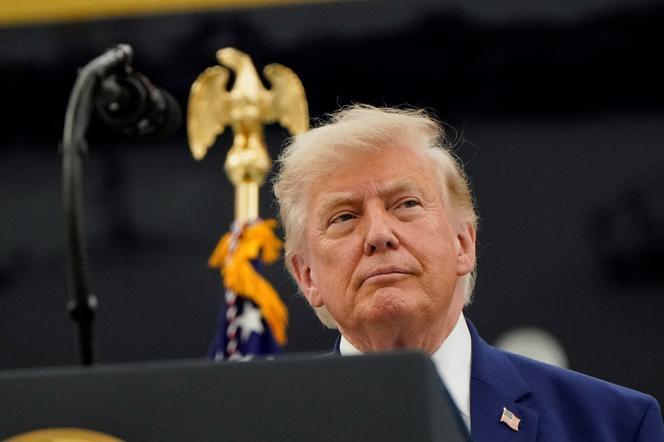 US President Donald Trump looks on as he stands in front of the VC-25B aircraft gifted by Qatar that will be used as Air Force One, at Joint Base Andrews, Maryland, June 19, 2026. ELIZABETH FRANTZ / REUTERS
 Technicians mounting the wings onto the X-65 experimental drone.
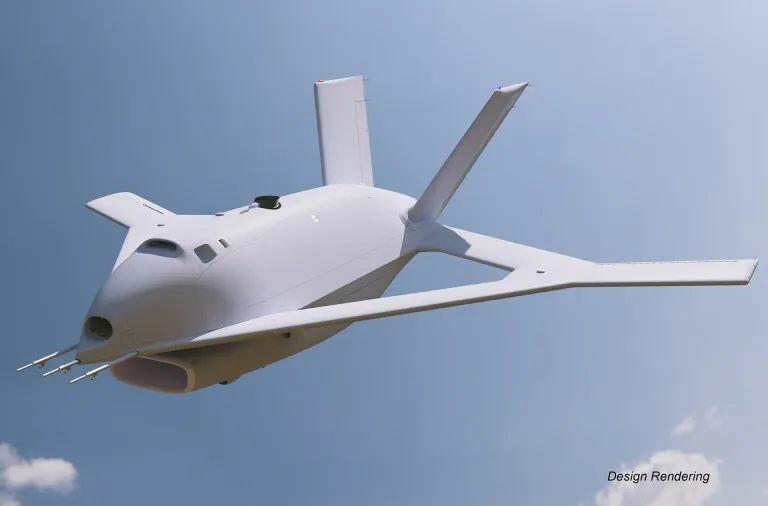 An artist’s render of the X-65 drone. Source:
 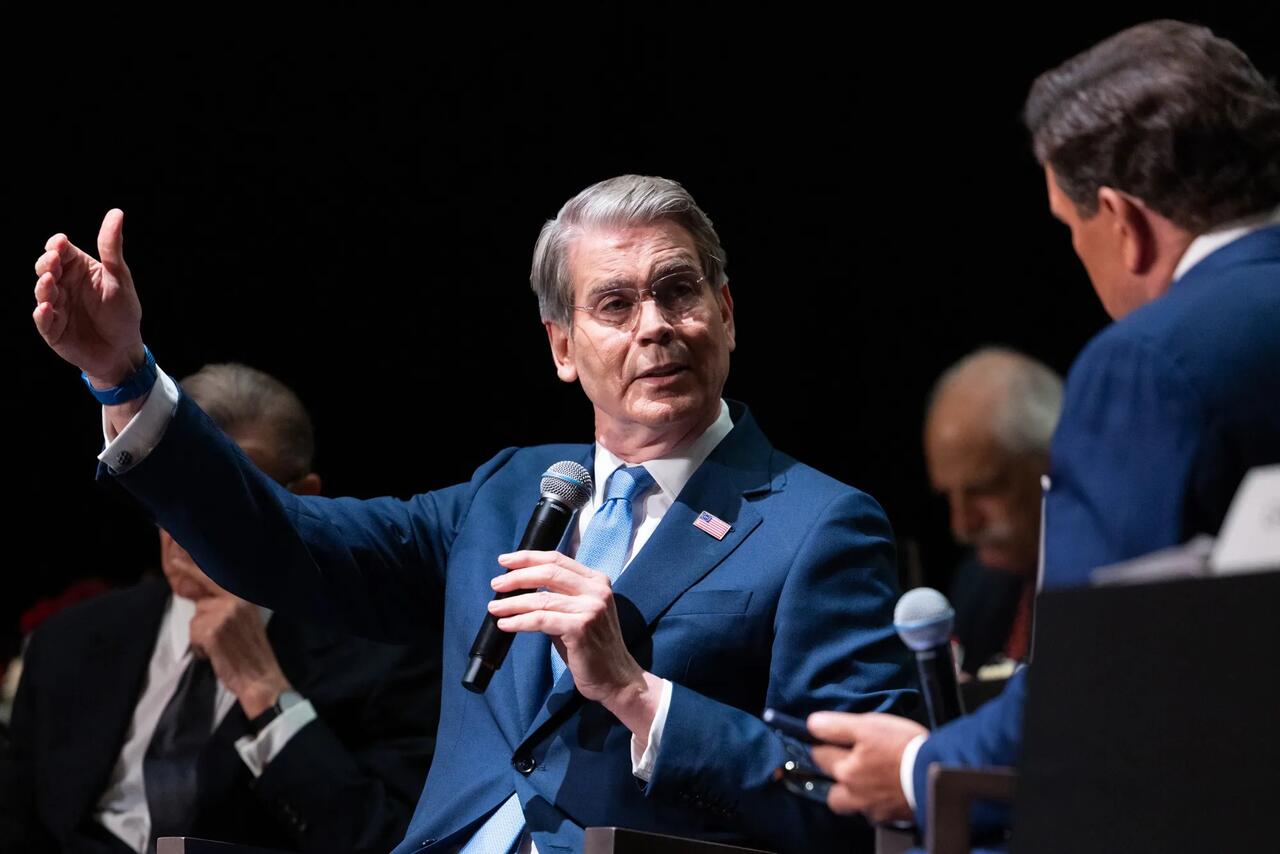 Treasury Secretary Scott Bessent at the Economic Club of New York, on June 23. Photographer: Krisanne Johnson/Bloomberg
Recent comments